
Having a good project is no longer enough. This article shows how visual presentation can be the missing link between the excellence of your work and sales success, turning projects into qualified leads and real business opportunities.
How many times have you felt that your project, despite being exceptional, did not create the impact, the enthusiasm or even the sale it deserved? It is a frustrating reality, is it not? In the competitive world of architecture, construction and real estate, having a brilliant project is no longer enough. If your technical drawings and basic renders are your main communication tool, I am sorry to tell you that you are losing money. The market has changed, and the way we present the value of our work has to change with it. This article is not about “prettying up” images; it is about strategy. Let us dive into the fatal mistake that stops great projects from selling and, more importantly, how you can turn it into your greatest competitive advantage. Get ready to see your projects in a new light and, at last, win the clients you have always wanted.
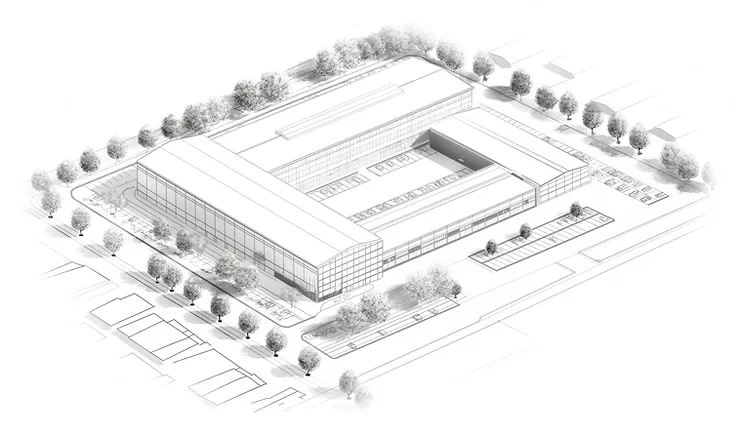
1. The paradox of the perfect project: invisibility in the market
It is every architect's, builder's or developer's nightmare: an impeccable project, thought through to the millimetre, with innovative solutions and first-class execution, that simply fails to capture attention. It generates no qualified leads. It does not convince investors. It does not delight buyers. Why? Because technical excellence, on its own, is invisible to most people. The problem is not the project, but the bridge that connects your genius to the client's perception. Your client does not buy concrete blocks or complex plans; they buy a lifestyle, a vision, an emotion. If your visual presentation does not evoke that emotion and does not show, in a tangible way, the value and potential of your work, then your project, however perfect, will remain a hidden gem. It is time to ask: are you showing your projects' future, or only their present?
2. More than renders: the immersive experience as a sales tool
Think about it: what if, instead of showing a basic image of a living room, your client could feel the light coming through the window, imagine their children playing in the room or take in the open view from the balcony? This is where high-quality 3D visualisation becomes a game-changer. We are not just talking about beautiful renders; we are talking about creating an experience.
Imagine being able to take your client inside the project, through an immersive virtual tour, where they can “walk” through the spaces, see the finishes and personalise details in real time.
This is not science fiction; it is the present. Market-leading companies are already using interactive 3D visualisations, animations and virtual reality to sell projects off-plan. This approach not only educates the client but engages them emotionally, turning a rational decision into an aspirational experience. It is visual storytelling at its finest, able to bridge the gap between your vision and the client's understanding.
3. The undeniable ROI: turning visualisations into qualified leads and real sales
Still think investing in high-quality 3D visualisation is a cost? Think again. It is an investment with an impressive ROI (return on investment). Studies show that projects with realistic 3D visualisations have a significantly higher conversion rate. Why? Because they minimise the risk the client perceives. They see exactly what they are buying. A developer who can present a scheme with visuals that carry buyers into their future home generates more interest and more viewings, and closes sales faster, often at a premium price.
For architects, a striking visual presentation is the seal of authority that attracts larger projects and more demanding clients.
For builders, it means fewer doubts, fewer changes on site and a smoother sales process.
We are talking about shortening sales cycles, increasing perceived value and, at the end of the day, generating more business. It is not a luxury; it is a strategic necessity for anyone who wants to lead the market.
Practical conclusion
It is time to stop missing opportunities by underestimating the power of the image. Your projects are works of art and engineering, and they deserve to be presented in a way that reflects their true value.
Do not let the excellence of your work be overshadowed by an inadequate visual presentation. The future of your projects begins with the way you show them today. Go ahead and claim your place at the top!